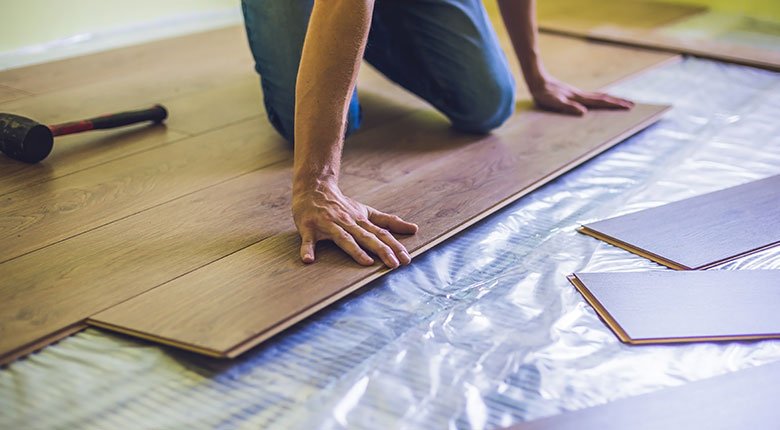
20 Excellent Reasons For Picking Floor Installation
Wiki Article
Hardwood And. Lvp: Which Floor Wins With Philadelphia Homes?
If you've received estimates for flooring in Philadelphia lately, you've likely noticed that virtually every contractor talks about the same subject regarding hardwood or LVP? It's not a simple answer and every flooring installer qualified to do so will be able to tell you that it varies greatly on the particular room in the home, as well as the home owner. The housing stock in Philadelphia is special -- rowhomes older colonials, split-levels across Bucks County, ranch homes in Delaware County -- and what's perfect for the one location could be difficult to fix in another. Here's the information you need to know prior to making a decision.
1. The Philadelphia's Older Homes Create Subfloor Complications
The majority of hardwood installation instructions assume a neat subfloor with a level surface. Philadelphia doesn't always cooperate. The homes constructed before 1970which covers a massive area of the city as well as the counties surrounding it -- typically have subfloor issues, old subfloors made of board instead of plywood or moisture issues due to foundations that are aging. LVP takes minor flaws in the subfloor more easily than solid wood that is capable of telegraphing every bump and dip under it. A reliable flooring specialist will analyze this before giving you the most suitable option.
2. Humidity Is a Real Factor Here, It's Not Just Selling Pitch
It is believed that the Delaware Valley sits in a humid continental climate zone. Dry summers, dry winters have dry conditions, but the swing matters enormously for solid hardwood. Wood expands and contracts as variations in humidity, and in a Philadelphia rowhome that has inconsistent HVAC, that fluctuation could result in gapping, cupping or squeaking in the course of time. LVP is structurally stableand doesn't seem to care regarding humidity fluctuations, which makes it ideal for kitchens, basements, as well as older houses that don't have climate control.
3. Hardwood Still Wins on Long-Term Home Value
If you're in a posh part within Montgomery County or a historic neighborhood like Chestnut Hill or Society Hill, real hardwood flooring still commands attention during sale. Buyers are aware of it, appraisers are aware of it, and the ability to sand, refinish and refinish hardwood multiple times over decades provides it with a life span LVP cannot match. A high-end LVP stands out, but it's not refinishedafter the wear layer has disappeared, you're replacing it.
4. LVP Installation Costs Are Consistently Lower
Within the Philadelphia metropolitan area -- the city of Philadelphia, Bucks County, Montgomery County, Delaware County, and South Jersey -- LVP installation generally costs less to install per square foot than solid hard wood. The material is lighter, cuts faster, and a floating installation technique that LVP employs requires less work length than nail-down hardwood. If budget is the primary factor and you're hoping for superior results, LVP is where most inexpensive flooring installers in Philadelphia can guide you.
5. Nail-Down Hardwood Requires a suitable Subfloor
Solid hardwood installed using the nail-down installation requires a subfloor that is thick enough -- typically 3/4 inches of plywood minimum. Many Philadelphia homes, especially those with concrete slab areas or older diagonal boards have to be repaired or upgrades prior to nail-down is an option. Skipping this step causes problems within the first year. The licensed flooring installers will indicate this in advance; budget contractors often don't.
6. LVP Is the Practical Winner in Bathrooms and Kitchens
Bathroom tile installation continues to be popular, but LVP is now a major share of the kitchen and bathtub flooring in Philadelphia because it's waterproof and warmer than ceramic tiles and quicker to put in. For homeowners looking for an overall wood look to their house including wet areas, LVP is a great choice for visual consistency. hardwood isn't able to provide -- it's not like you're putting solid hardwood in the bathroom.
7. Custom Staining Is a Hardwood-Only Advantage
One aspect LVP doesn't offer is custom staining. If you'd like to have a floor shade that's right for your cabinetry, your trim or an exact stylethat is a cool-grey wash with a deep espresso tone, a warm tone from the provincehardwood provides you with that flexibility and control. Flooring contractors in Philadelphia with a custom staining service can essentially craft a one-of-a-kind flooring. LVP comes in color sets. What you see inside the box is what you will receive.
8. Engineered Hardwood Sits Squarely in the Middle
It's important to mention this because a lot of homeowners fail to realize that engineered hardwood can provide a real wood surface that has more dimensional stability than solid hardwood. It's the best middle path as it is more waterproof than solid wood, more refinishable and durable than LVP and installable as floating flooring in places where nail-down may not be practical. Several flooring contractors across Bucks and Montgomery County are recommending it extensively right now, and with good reason.
9. Getting a Free Flooring Estimate So you can compare the different options
Professional flooring companies with a good reputation in Philadelphia will quote you both material side-by -side, if you ask. This is by far the most important thing you can do prior to deciding. The amount of difference that includes labor and materials is often a surprise to homeowners- sometimes it's narrower than they anticipated, whereas other times, it's substantial. Whatever the case, you're making a well-informed decision rather than taking a guess.
10. A Floor that is of the highest quality is One Matched to Your Specific Home
There's not a single winner. Rowhomes from the 1920s in South Philly with an uneven subfloor and no central air is something different than a colonial built in 2005 in Delaware County with a slab basement. The flooring professionals who take time to visit your space to check the subfloor, inquire about your family -- kids, pets traffic patterns before making a recommendation are the ones worth hiring. People who sell one product regardless of what you need should stay away from. View the best
hardwood floor resurfacing Philadelphia for website recommendations including hardwood flooring Philadelphia, cheap flooring installation Philadelphia, porcelain tile installation Philadelphia, hardwood floor installation Philadelphia, hardwood flooring Montgomery County, LVP flooring Philadelphia PA, hardwood flooring Philadelphia, kitchen tile flooring Philadelphia, laminate flooring installation Philadelphia PA, hardwood floor installation Bucks County and more.
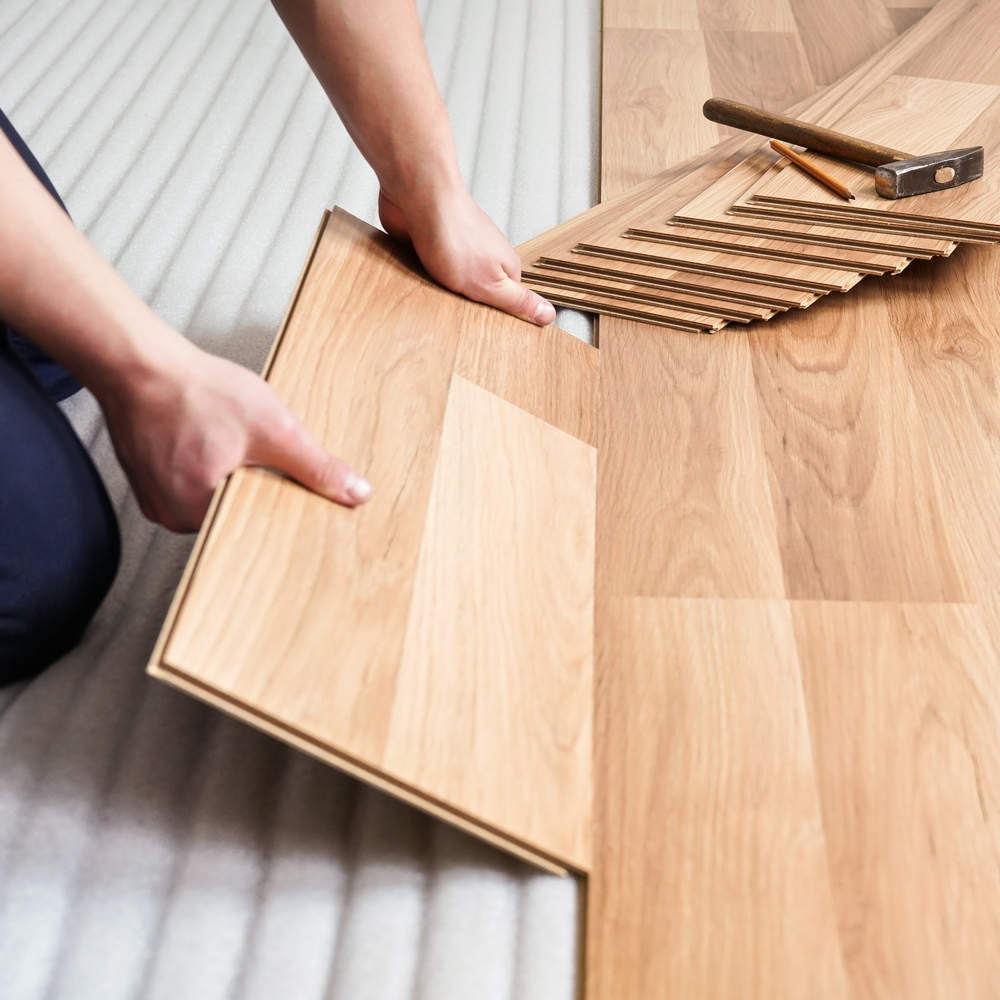
Waterproof Flooring Options For Philadelphia Bathrooms
Bathrooms are the ones where flooring decisions are the most vulnerable to error. In every other room of a Philadelphia house can take an item that's only water-resistant however a bathroom won't. The steam of showers, the water around toilet bases, splash zones at sinks, and the general humidity that a closed bathroom generates daily will show every defect in flooring that's not actually waterproof. Philadelphia homes also have other issues: older subfloors that may already be carrying moisture bathroom floors that haven't had them renovated since the 1970s and in a lot of rowhomes, bathrooms that are stacked over finished living spaces where floor failure could mean a ceiling issue down. What actually can work, what won't, and what you need to know before you install any bathroom flooring into.
1. Porcelain Tile Remains the Benchmark The Rest of the Tiles Get Compared
There's a reason why porcelain tile has been the most popular bathroom flooring for decades as it's impervious to water when it touches the floor, able to withstand humidity and heat without deteriorating, and with proper installation and grout sealing, it will outlast every other option when it's wet. The installation of porcelain tiles in Philadelphia bathrooms is the option which has the longest documented record. The disadvantages are realit is cold underfoot, abrasive on joints, maintenance of grout needed -- however, none other material is able to match its performance in waterproofing and durability in the bathroom setting.
2. Ceramic Tiles Are a Good step down, not an equivalent alternative
Ceramic and porcelain are frequently described as interchangeable but aren't the same thing for bathroom use. This is because porcelain has a higher level of porousness than ceramic and is essential in rooms where moisture is consistent rather than the occasional. A powder room or a low-use guest bathroom ceramic tile flooring is an acceptable and less expensive option. If you are looking to renovate a bathroom that is the primary one in the Philadelphia house that has daily showering, the strength and moisture resistance of porcelain is more than worth the cost in square feet. The procedure for installing is similar -- the performance over time isn't.
3. LVP is the Most Practical Alternative to Tile that is Waterproof
The premium vinyl plank has earned its place in discussions about bathroom flooring. The plank itself is 100% waterproof -- the core doesn't absorb water, the material doesn't degrade as moisture exposure, and it's more comfortable and warmer underfoot than tiles. A caveat for installing bathroom tiles is that LVP's water-proofing applies to the planks itself, but not always to seams between them. Bathrooms with high water exposure -- for instance, a walk-in shower without a suitable barrier, or a freestanding tub or a tub that is not properly sealed, water can move into planks or get to the subfloor in time. An appropriate installation technique and seam sealant is required here more than any other place.
4. Laminate Flooring in Bathrooms is the One You'll Remember
This should be said clarly since laminate has a tendency to show up in bathroom flooring estimates typically because of its lower cost. Laminate includes a wood-fiber center. Wood fiber and continuous bathroom moisture are incompatible. The edges are swollen, edges lift, the layer splits, and the devastation accelerates in bathrooms faster than in any other room in the house. A cheap flooring installation that installs laminate in the Philadelphia bathroom is not the best deal -- it's replacing work that's delayed by just a few years. Anyone who suggests laminate for the primary bathroom should be asked the reason.
5. The Subfloor of a Philadelphia Bathroom Does Not Need a Comprehensive Assessment
Older Philadelphia rowhomes and suburban colonials typically have bathrooms with subfloors that have dry history -- previous leak staining, soft spots after decades of exposure to water or the original subfloors made of wood that have absorbed more water than they ought to over time. The installation of new flooring made of waterproof over a damaged subfloor isn't going to fix the root of the issue, but can only mask it while it continues to degrade. Subfloor repairs in Philadelphia bathrooms prior to the installation of new flooring is put in place isn't an offer to sell, it's an important requirement for the new flooring to work correctly and not fall apart prematurely.
6. Floor Heating Compatibility is a matter of Material
Radiant floor heating on bathrooms -- becoming increasingly common among homeowners in Montgomery County and Delaware County home remodeling -- isn't an ideal fit for all flooring types. Porcelain tile is able to conduct and hold heat effectively, which makes it the ideal material for a heated subfloor. LVP is well-suited for radiant heat, but has thresholds for temperature that have to be respected -- excessive heat could result in problems with dimensional stability. If heating for the bathroom is part of your remodeling, the flooring material decision and the heating system's design need to work in tandem with each other, not separately.
7. Bathroom Tile Layout Impacts Both Look and Water Management
This is a detail that will distinguish experienced tile flooring installers from those who do not know how set tile. Bathroom floors require slightly inclined towards the drain, typically 1/4 inch per square footto stop standing water from getting. Tile designs that do not account specifically for the pitch, or that combats it by using large-format tiles that span the slope, can cause pools of water that eventually make into the subfloor. The discussions with your contractor should be centered around how the tile pattern is interacted with the drain's position, in addition to how it appears on paper.
8. The choice of bathroom grout is an important choice
The typical sanded, sanded or tiled grout in a bathroom requires sealing at installation as well as periodic resealing during its lifetime. Epoxy grout -- which is more dense to install, more costly and less flexible to installit's virtually indestructible to staining or moisture and doesn't require sealing. If you're looking for Philadelphia grouting in bathrooms in which homeowners require minimal maintenance Epoxy grout is more than worth any additional cost for labor. If homeowners are committed to regular grout maintenance, standard grout with proper sealing performs adequate. What's not working is the standard grout, which is not sealant in a high-moisture bathroom location.
9. Small Format Tiles Help Bathroom Floor Slopes Better
The trend to use large format tile -- 24x24 or larger that performs well in living spaces and kitchens presents practical issues for bathrooms. Larger tiles are more difficult push towards drains with no noticeable unevenness. In addition, they require extremely flat subfloors in order to avoid lippage. Smaller-sized format tiles -- 12x12 and under and notably mosaic tiles have the ability to follow the contours of the bathroom floor more naturally, control drainage slopes more effectively and have more grout lines that enhance slip resistance when wet. Philadelphia tile flooring professionals with extensive experience in bathrooms will bring this up before the finalization of layout choices.
10. Bathroom flooring and wall tile should Be Specificated Together
A mistake that generates regrets of the aesthetic more than it does functional issues. But it's worthy of avoiding in either. Tiles for the bathroom floor and wall tile interact visually inside a tiny space, in ways that are difficult to see without samples. Pattern direction, scale, grout color and finish all must be considered together. Flooring contractors that also handle bathroom tile installation Philadelphia work can coordinate this. Contractors who only handle the floor, and leave the wall tile to a separate contractor can result in situations where the finished room appears as if two people took decisions independently, because they did. View the best See the top rated solid hardwood floor installation Philadelphia for website recommendations including laminate flooring installation Philadelphia PA, hardwood floor installation Bucks County, tile flooring installation Philadelphia, bathroom tile installation Philadelphia, subfloor repair Philadelphia, cheap flooring installation Philadelphia, luxury vinyl flooring Philadelphia, licensed flooring installers Philadelphia, laminate flooring installation Philadelphia, hardwood floor installation cost Philadelphia and more.